Patios
“Elegant Patio Designs for Every Lifestyle”
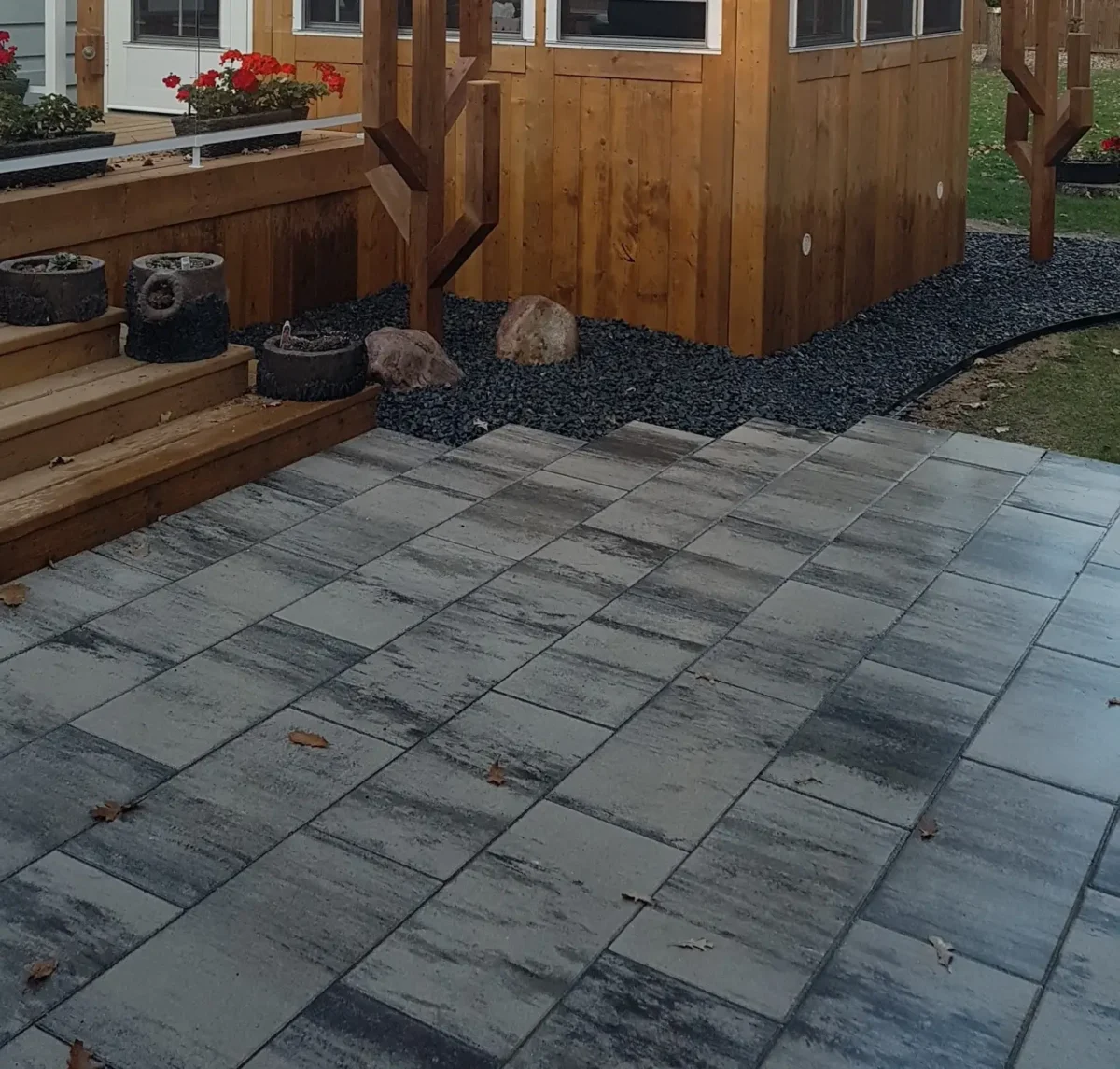
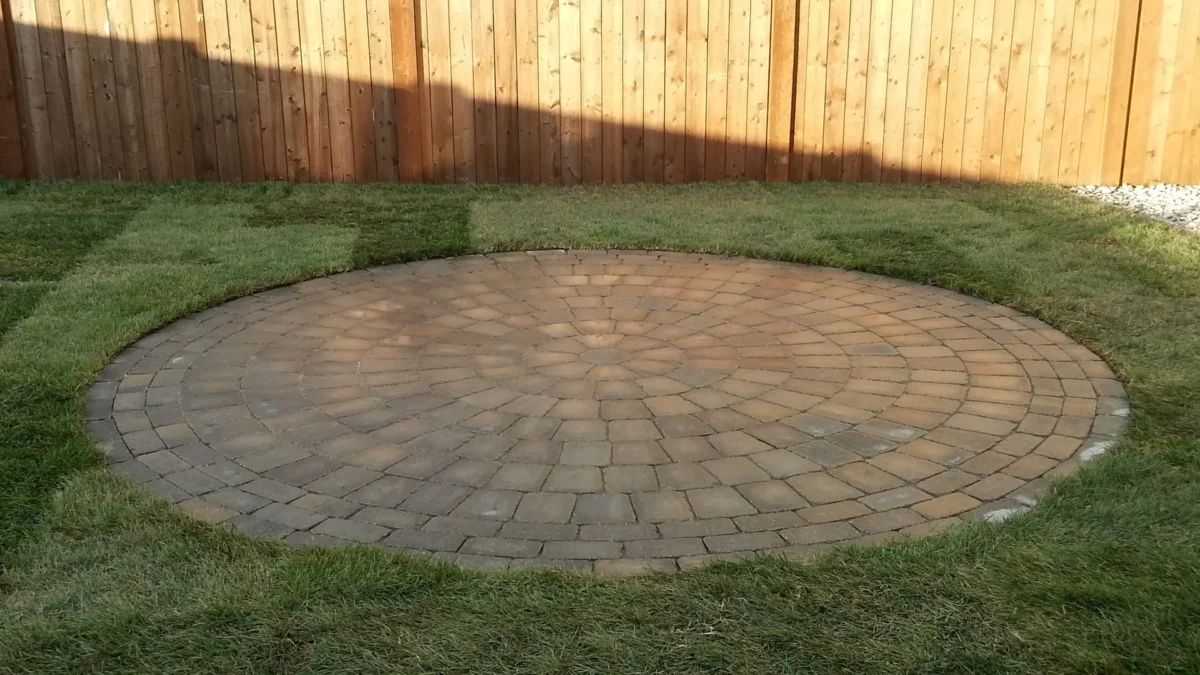
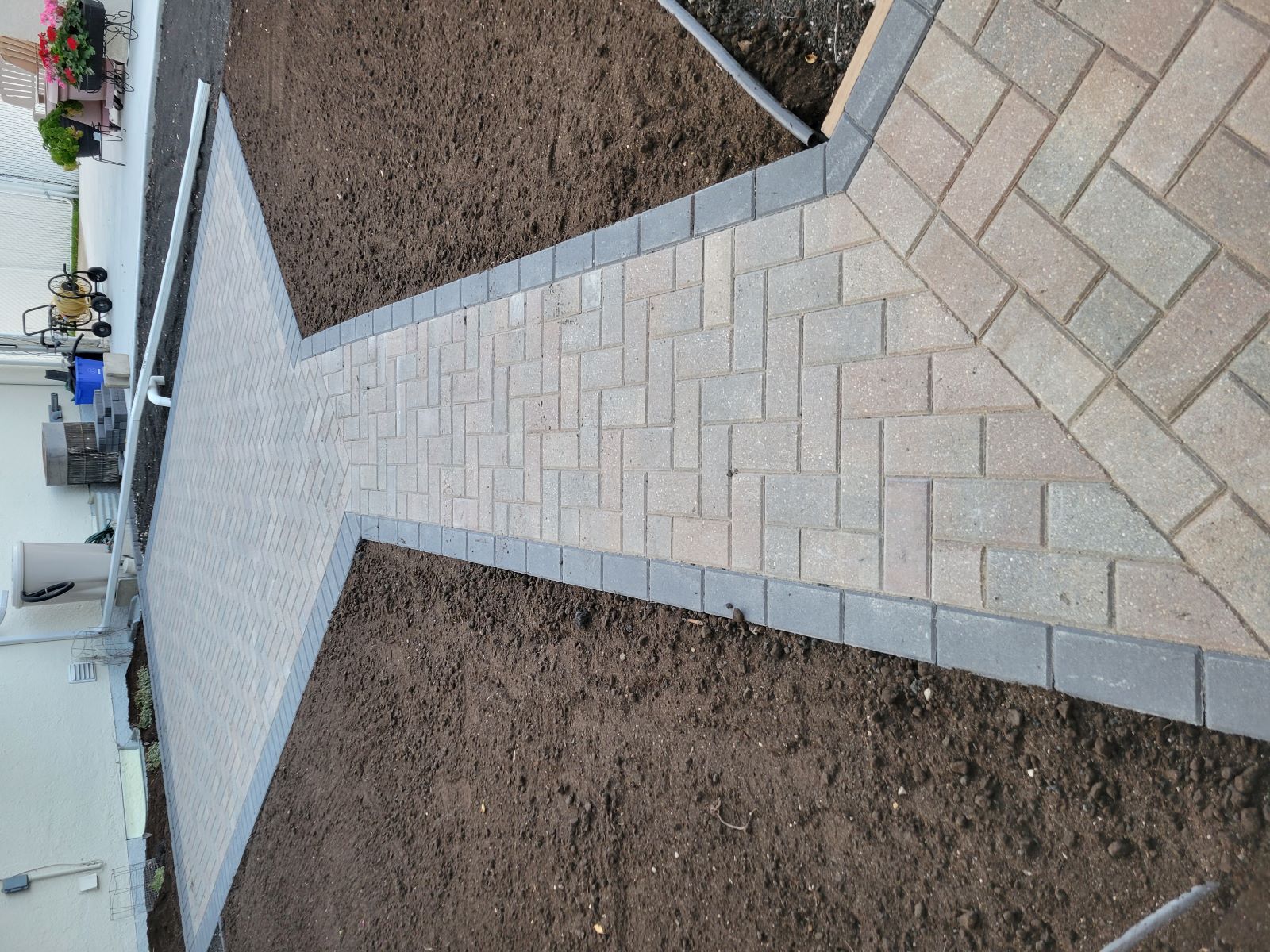
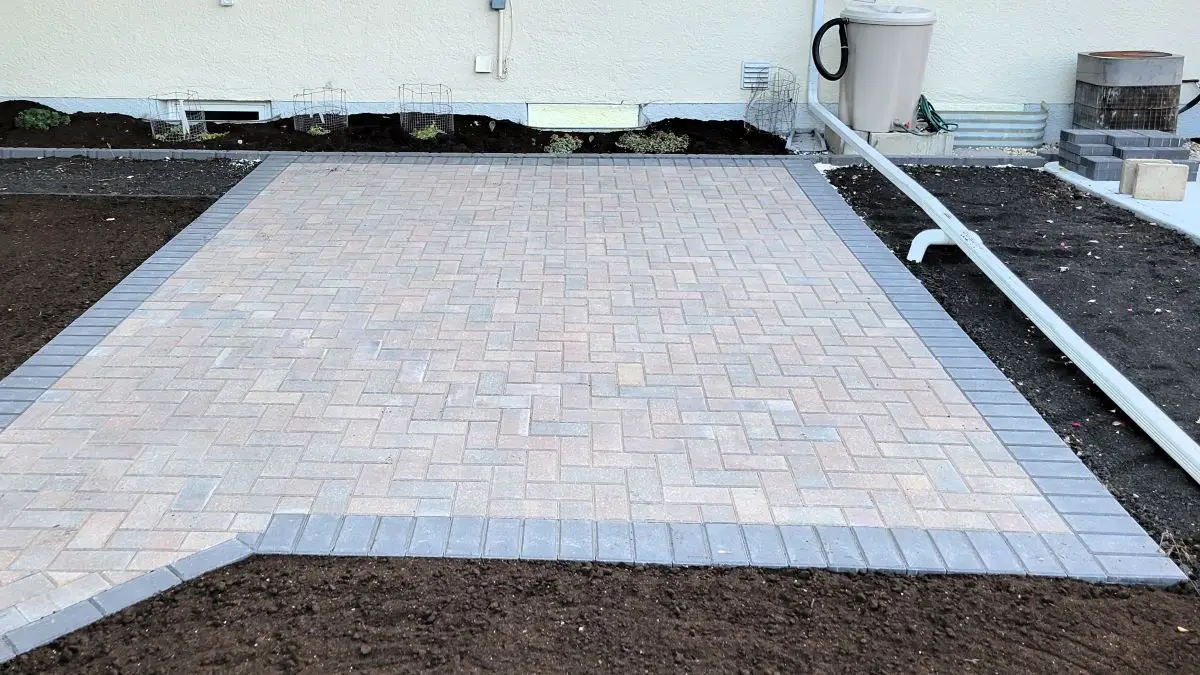
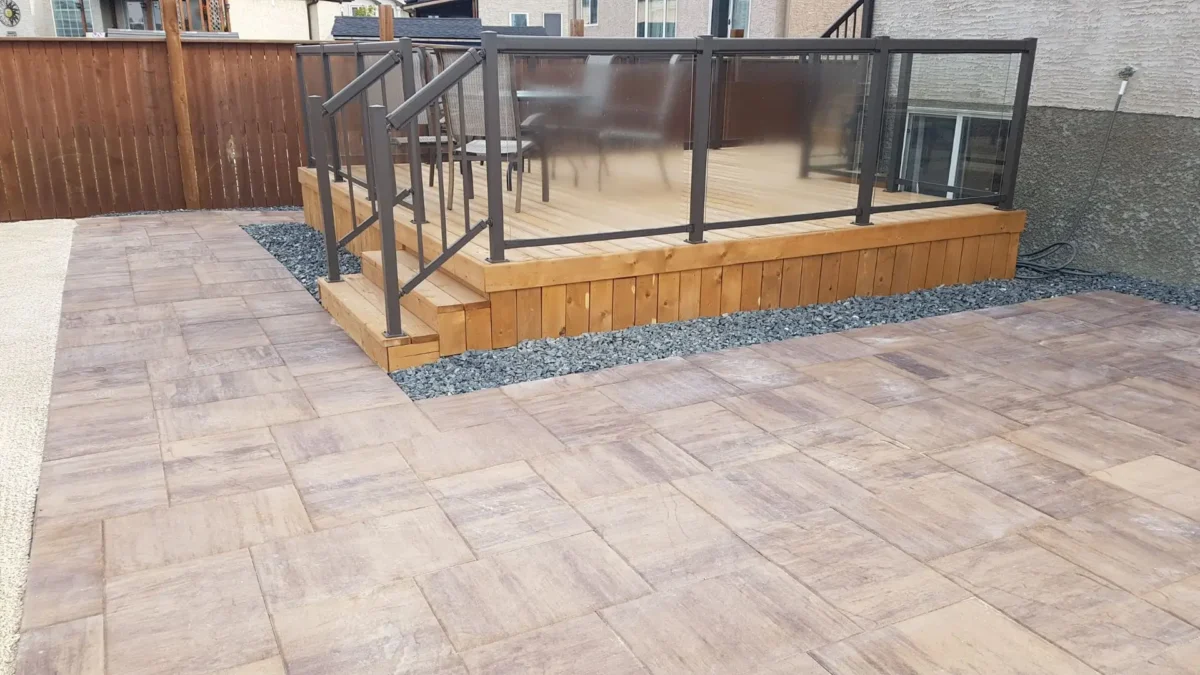
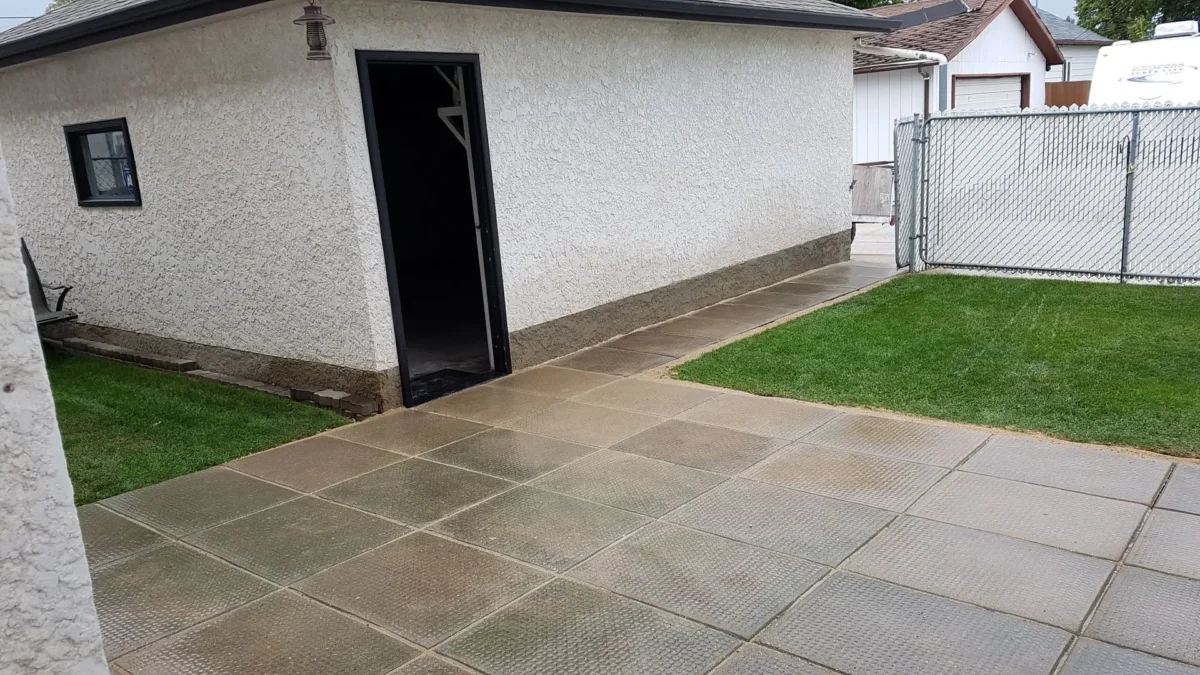
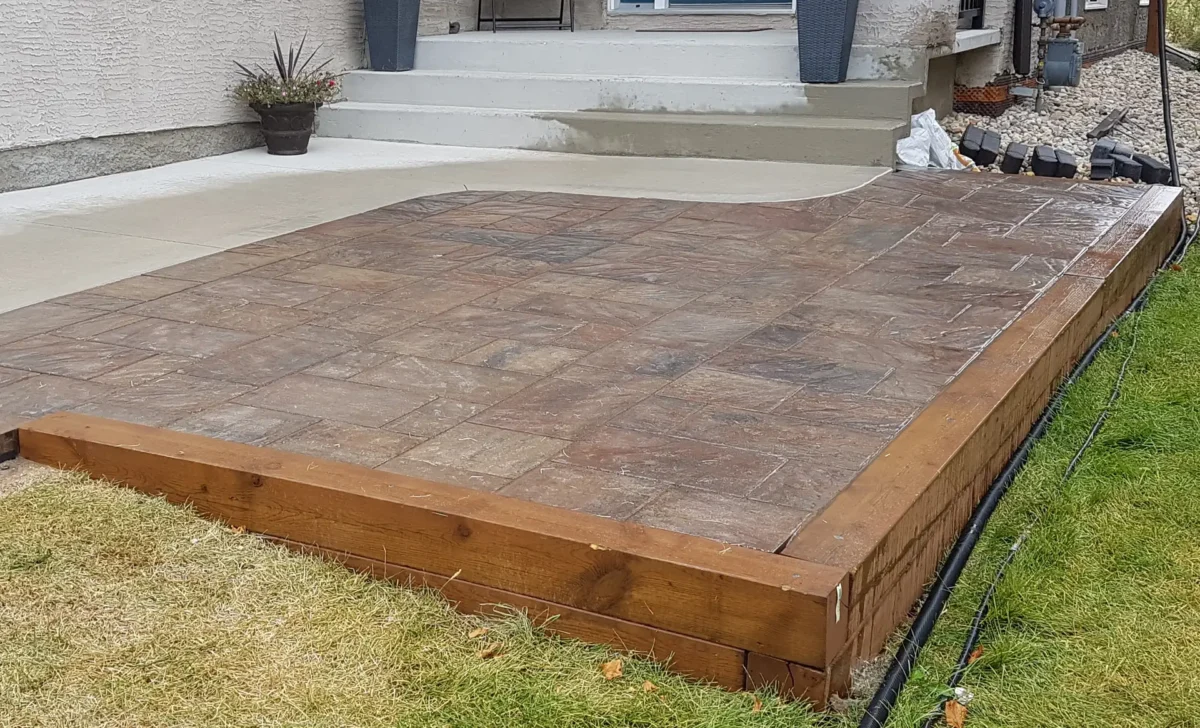
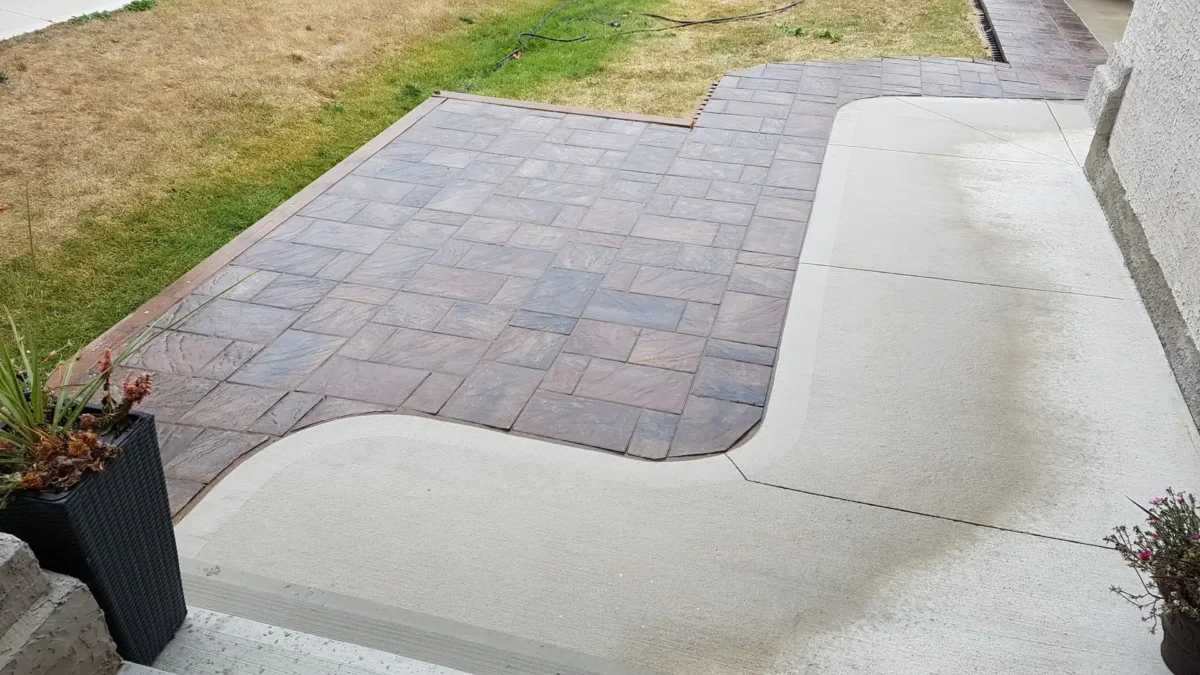
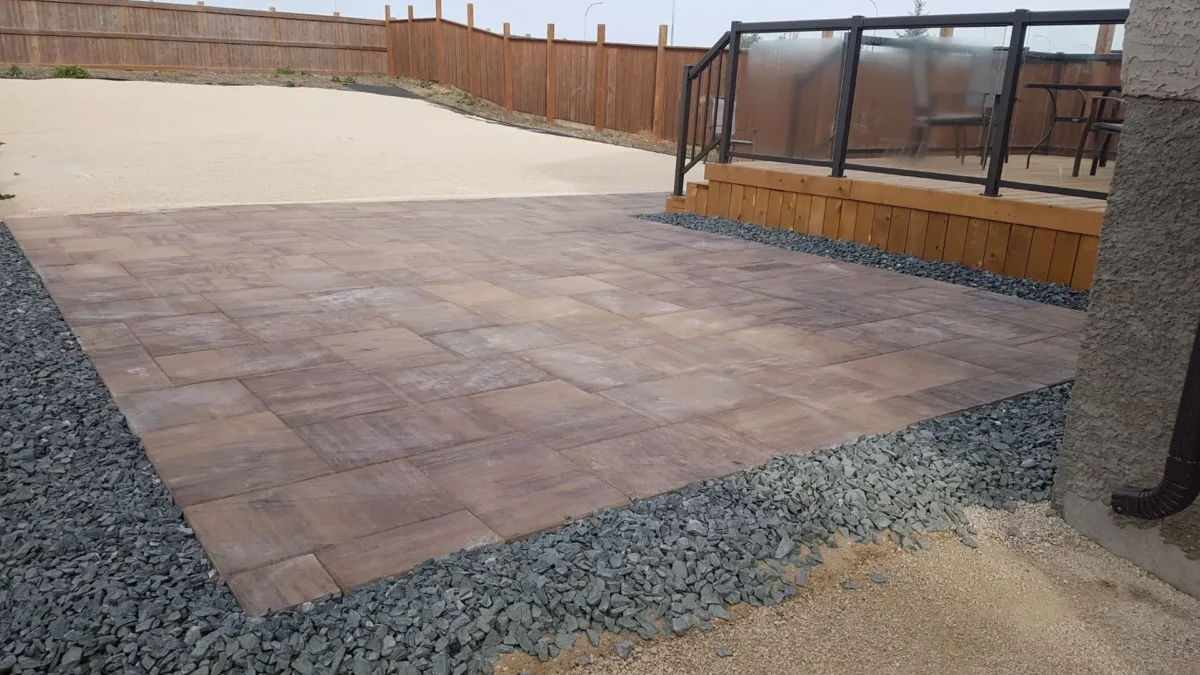
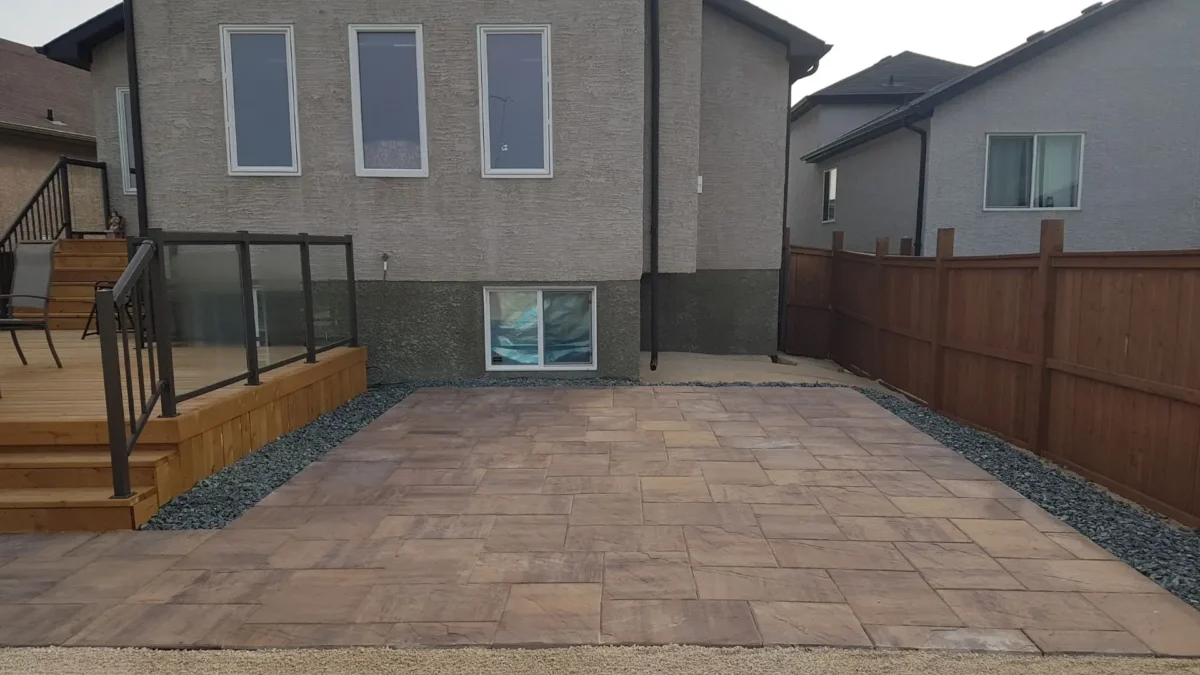
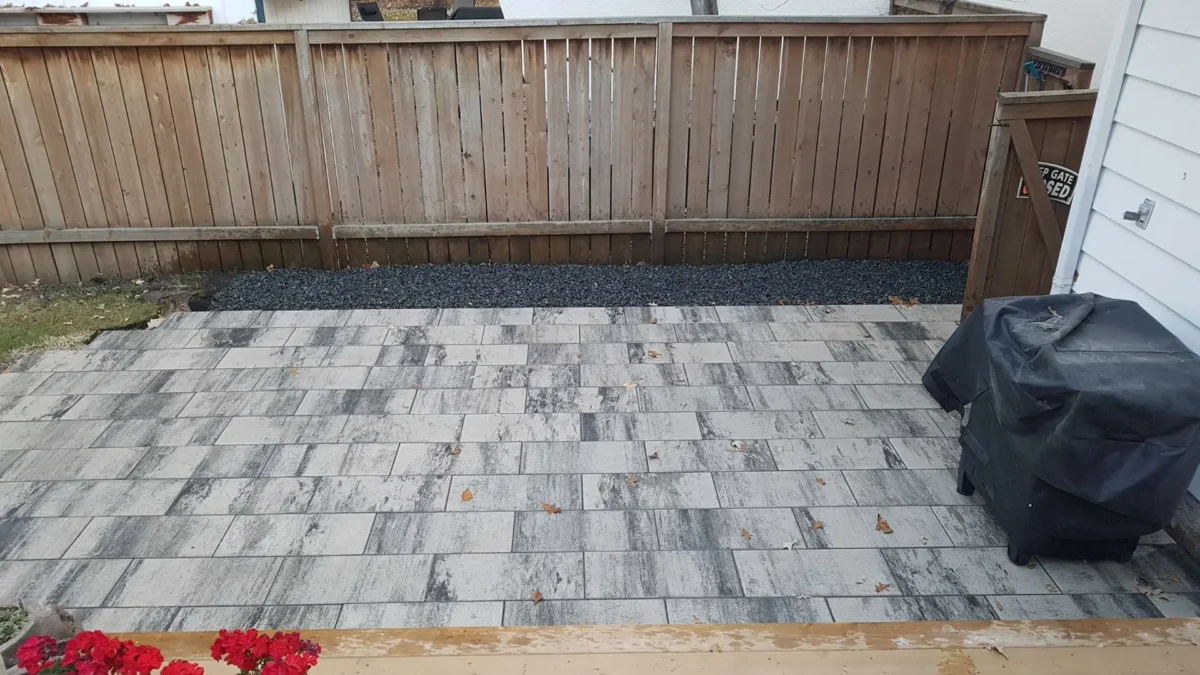
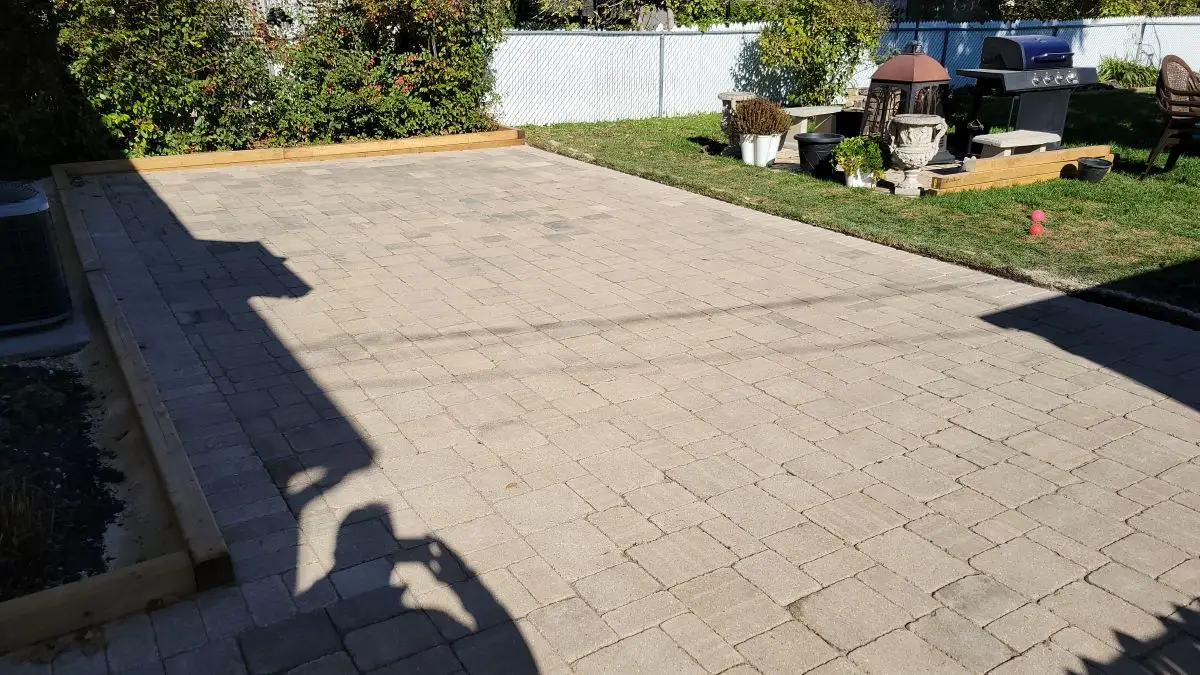
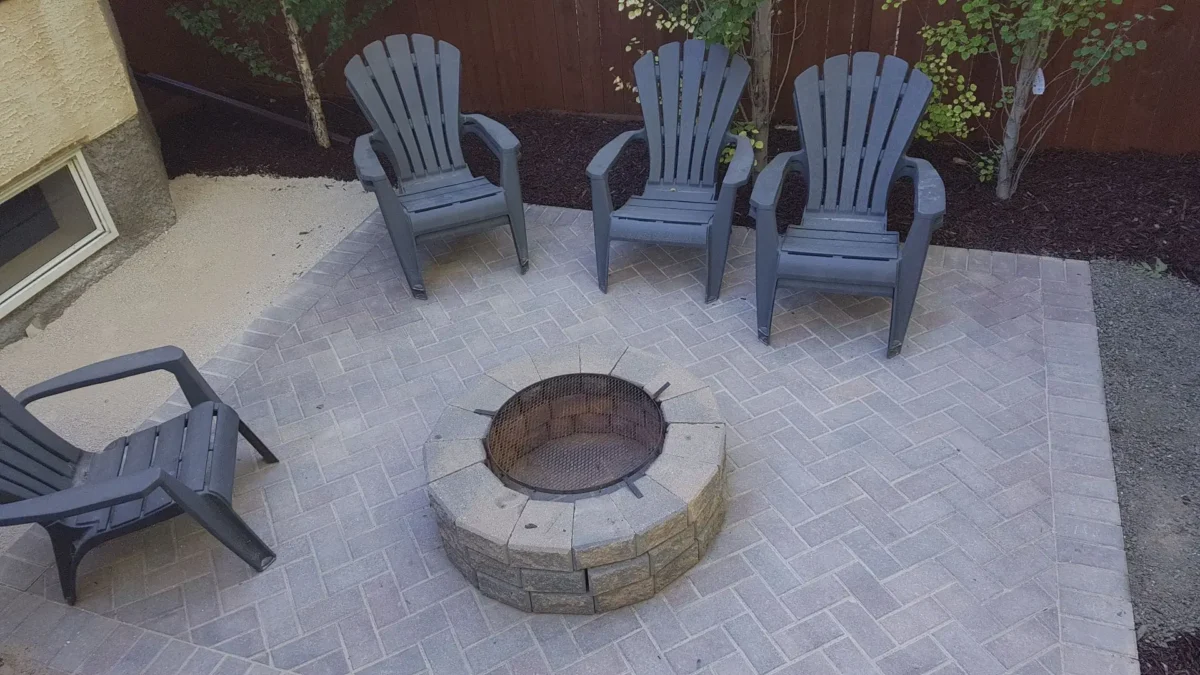
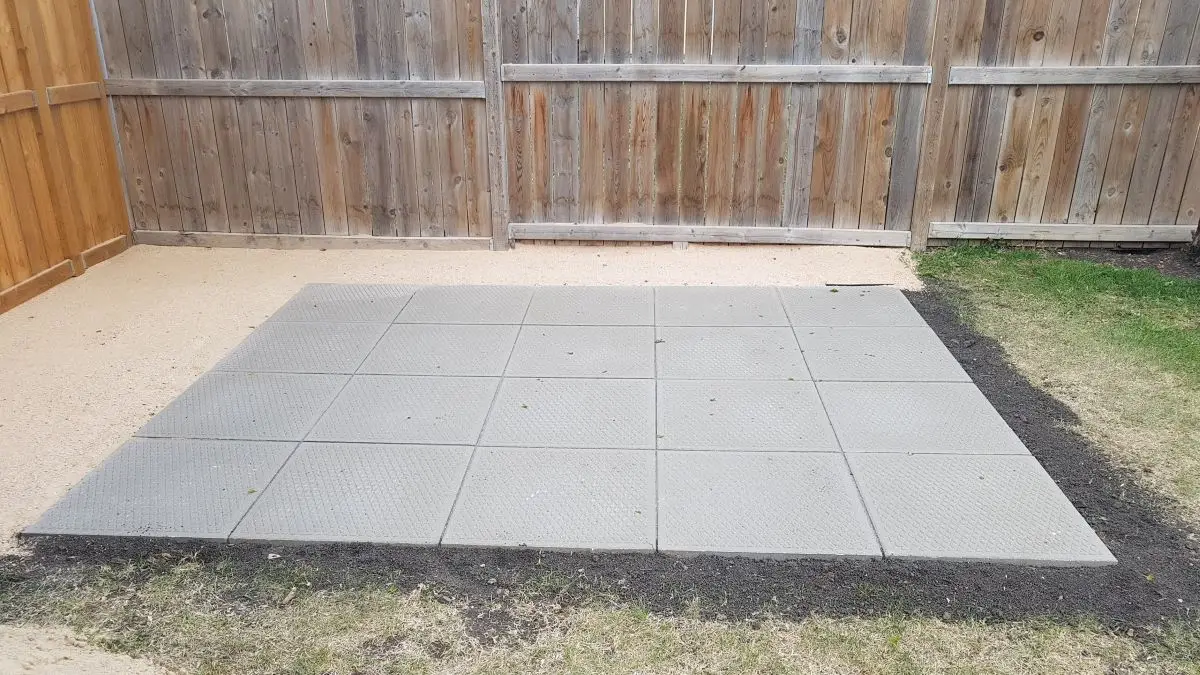
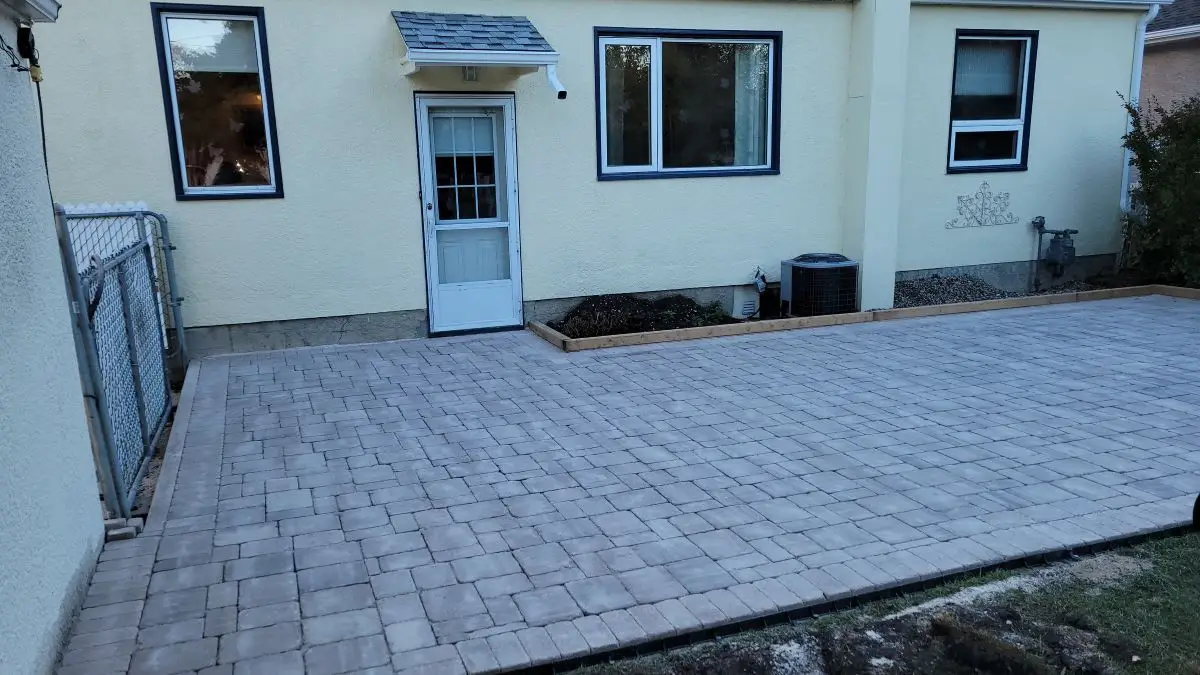
Patios are versatile, durable outdoor spaces made from individual paving stones or slabs that offer customizable designs and patterns, enhancing both the aesthetic appeal and functionality of a backyard.
Key Points to Consider:
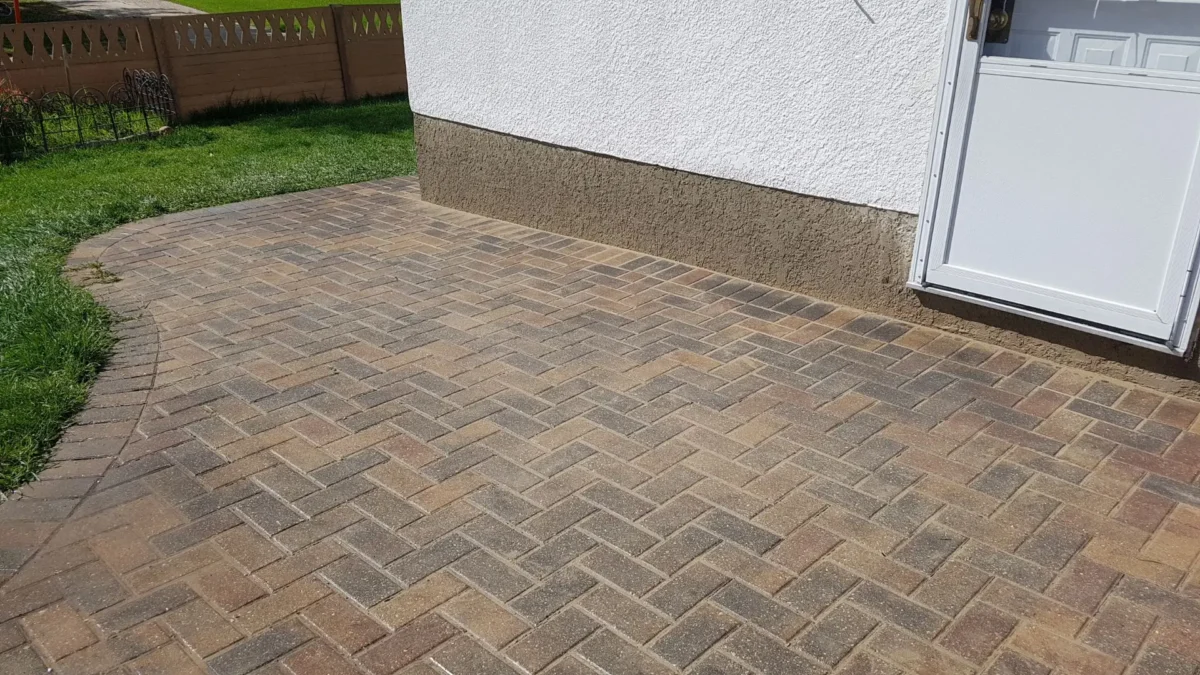
- Design and Layout: Consider the overall aesthetic you want to achieve. Pavers can be arranged in various patterns like herringbone, basket weave, or running bond. The design should complement your home’s style and landscape.
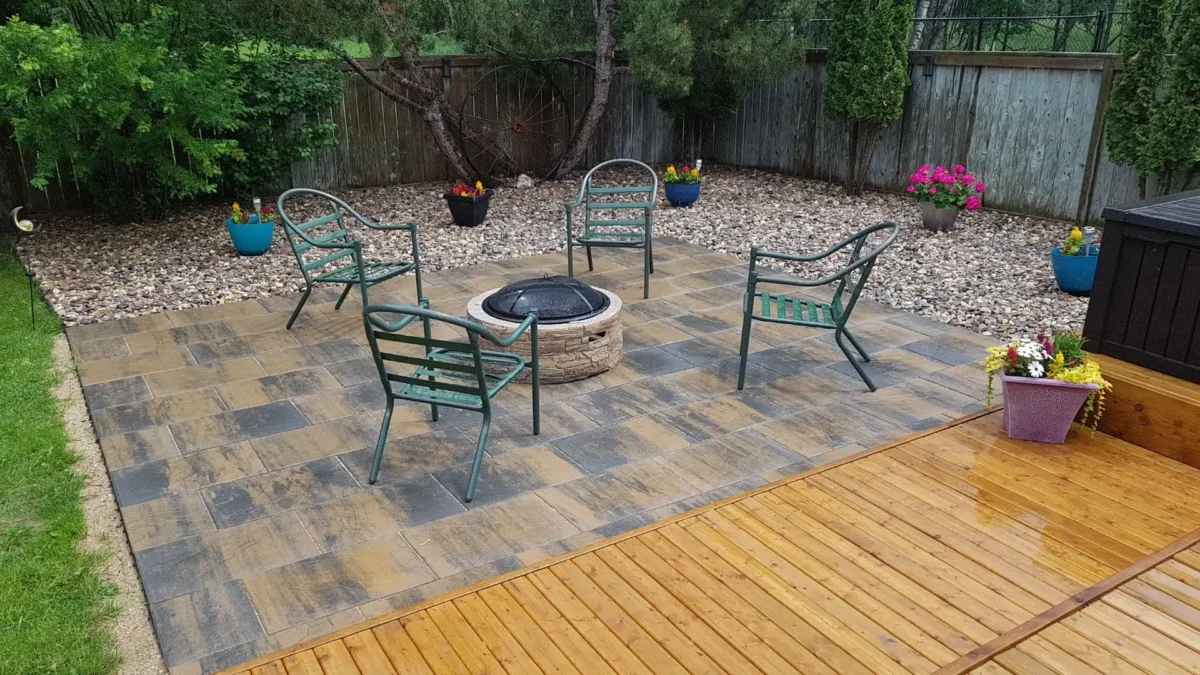
- Functionality: Determine the intended use of the patio. Will it be for dining, lounging, or both? The size and shape should accommodate your furniture and activities.
- Drainage: Proper drainage is crucial to prevent water pooling, which can lead to moss, mildew, or even structural damage. Ensure the patio has a slight slope away from your home.
- Maintenance: Paver patios require less maintenance than wood but still need periodic cleaning and occasional resealing or sand replacement between joints.
- Budget: Costs can vary widely based on materials, size, and complexity of installation. Consider both initial and long-term expenses.
Site Considerations:
- Soil Type: The soil under your patio needs to be stable. Clay soils might require additional preparation to prevent heaving or settling.
- Sunlight and Shade: Consider how much sun or shade the area gets, as this affects both plant placement around the patio and the comfort of users.
- Access Points: Ensure there’s easy access from your home to the patio. Also, think about utility lines that might need to be located before digging begins.
- Existing Landscape: Integrating the patio with existing garden features or planning for future landscaping can enhance the overall look.
Choice of Materials:
- Concrete Pavers: Versatile, available in numerous colors and shapes, relatively inexpensive but can be prone to efflorescence (white powdery deposit).
- Brick Pavers: Timeless look, durable, but more expensive and might require significant maintenance in harsh climates.
- Natural Stone Pavers: Including flagstone, limestone, or bluestone, provide a high-end look but at a higher cost. They vary in texture and color, adding uniqueness to each project.
- Porcelain Pavers: Extremely durable, resistant to weather and stains, and can mimic the look of natural stone or wood at various price points.
- Permeable Pavers: Great for managing stormwater runoff; allows water to seep through to the ground below, reducing the need for extensive drainage systems.
Installation Considerations:
- Base Preparation: A solid, well-compacted base is key to preventing paver shifting or sinking. Typically involves layers of gravel, sand, and sometimes geotextile fabric.
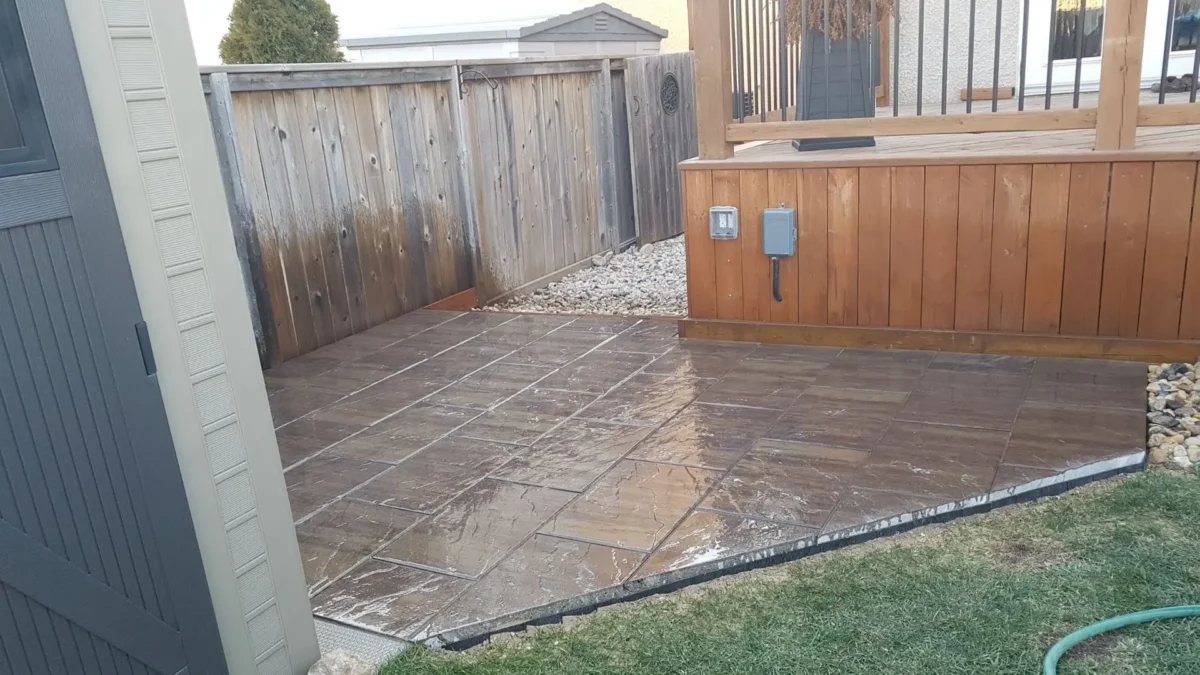
- Edge Restraints: Essential to keep pavers in place, particularly at the edges of the patio.
- Joints: The material used in the joints (like polymeric sand) helps in stabilizing the pavers while allowing for slight movement to accommodate temperature changes.
- Professional vs. DIY: While some might opt for DIY, professional installation ensures longevity, proper drainage, and compliance with local codes.
Additional Tips:
- Color and Texture: Choose pavers that either blend with or contrast your home’s exterior for a cohesive or dramatic effect.
- Resale Value: A well-designed paver patio can increase property value due to its appeal and durability.
- Local Climate: Materials should be chosen based on how they handle freeze-thaw cycles, UV exposure, or heavy rainfall in your area.
If you’d like, the team at Shadow Creek Landscaping can help you with a free project consultation.